Early Statesman synthesis distilling legal jargon into practical meaning, statutory anchors, and structural constitutional impacts.
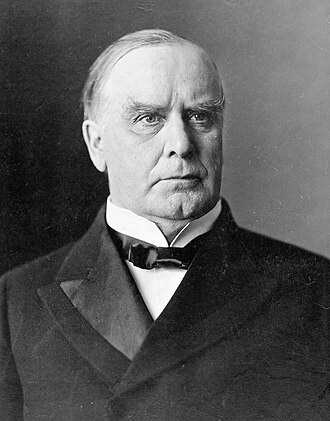
This executive order, signed by President William McKinley on 1900-12-07, establishes federal administrative policy concerning "Executive Order." It is a direct, concise executive instruction delivering focused administrative or military commands to department leadership.
Constitutional Assessment: Scrutinized through Article II, Section 2, this action exercises the President's constitutional role as Commander in Chief. Early Framers recognized broad executive discretion in commanding military forces during conflict, provided it remains bounded by congressional declarations and respects civilian domestic courts.
Key Directives & Operative Actions
▪Formal executive instruction issued by the President establishing official administrative policy on Executive Order.
Constitutional & Societal Entities Impacted
🏛️ Armed Forces & Military Establishments
Total Words
78
437 characters
Estimated Read Time
1 min
@ 200 words / min
Flesch-Kincaid
33.4
Post-Grad reading level
Constitutional Polarity
+0.02
Framers' Alignment index
📜
Scholarly & Legal Citations
Exec. Order, "Executive Order," William McKinley (Dec 7, 1900). Available at https://executiveordersarchive.org/orders/app-executive-order-184.
Official Document Text
Source: The American Presidency Project (UCSB Archive)
Whenever upon marches, guards, or in quarters, different corps of the army happen to join or do duty together and an official of the Marine Corps or the militia shall command the whole pursuant to the 122d article of war, such officer shall report his action and the operations of the force under his command through military channels to the Secretary of War as well as to his superiors in his own branch of the service. WILLIAM MCKINLEY