Early Statesman synthesis distilling legal jargon into practical meaning, statutory anchors, and structural constitutional impacts.
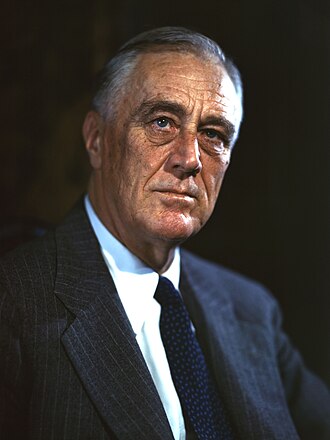
This executive order, signed by President Franklin D. Roosevelt on 1933-04-05, establishes federal administrative policy concerning "Exemption of Banking Emergency Employes from Civil Service Rules." It is a direct, concise executive instruction delivering focused administrative or military commands to department leadership.
Constitutional Assessment: An early statesman would regard this order with wariness, cautioning that energetic executive discretion must never eclipse the enumerated boundaries established by the representatives of the people in Congress.
Key Directives & Operative Actions
▪Formal executive instruction issued by the President establishing official administrative policy on Exemption of Banking Emergency Employes from Civil Service Rules.
Constitutional & Societal Entities Impacted
🏛️ Executive Departments & Federal Civil Servants
🏛️ Public Health & Medical Institutions
🏛️ Financial Institutions & Monetary Authorities
Total Words
65
401 characters
Estimated Read Time
1 min
@ 200 words / min
Flesch-Kincaid
16.9
Post-Grad reading level
Constitutional Polarity
-0.19
Framers' Alignment index
📜
Scholarly & Legal Citations
Exec. Order No. 6103, Franklin D. Roosevelt (Apr 5, 1933). Available at https://executiveordersarchive.org/orders/app-executive-order-6103-exemption-banking-emergency-employes-from-civil-service-rules.
Official Document Text
Source: The American Presidency Project (UCSB Archive)
In view of the emergency and temporary nature of appointments in the Office of the Comptroller of the Currency, under the provisions of the Act of Congress approved March 9th, 1933 (To provide relief in the existing national emergency in banking, and for other purposes), such appointments may be made without regard to Civil Service requirements. FRANKLIN D. ROOSEVELT The White House, April 5, 1933.