Official Document Text
Source: The American Presidency Project (UCSB Archive)
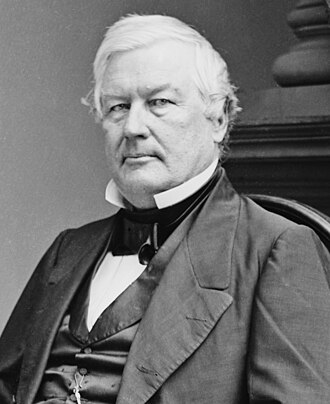
The ACTING SECRETARY OF STATE and the SECRETARIES OF THE TREASURY, INTERIOR, WAR, NAVY, the ATTORNEY-GENERAL and POSTMASTER-GENERAL. GENTLEMEN: The painful intelligence received yesterday enforces upon me the sad duty of announcing to the Executive Departments the death of the Secretary of State. Daniel Webster died at Marshfield, in Massachusetts, on Sunday, the 24th of October, between 2 and 3 o'clock in the morning. Whilst this irreparable loss brings its natural sorrow to every American heart and will be heard far beyond our borders with mournful respect wherever civilization has nurtured men who find in transcendent intellect and faithful, patriotic service a theme for praise, it will visit with still more poignant emotion his colleagues in the Administration, with whom his relations have been so intimate and so cordial. The fame of our illustrious statesman belongs to his country, the admiration of it to the world. The record of his wisdom will inform future generations not less than its utterance has enlightened the present. He has bequeathed to posterity the richest fruits of the experience and judgment of a great mind conversant with the greatest national concerns. In these his memory will endure as long as our country shall continue to be the home and guardian of freemen. The people will share with the Executive Departments in the common grief which bewails his departure from amongst us. In the expression of individual regret at this afflicting event the Executive Departments of the Government will be careful to manifest every observance of honor which custom has established as appropriate to the memory of one so eminent as a public functionary and so distinguished as a citizen. The Acting Secretary of State will communicate this sad intelligence to the diplomatic corps near this Government and, through our ministers abroad, to foreign governments. The members of the Cabinet are requested, as a further testimony of respect for the deceased, to wear the usual badges of mourning for thirty days. I am, gentlemen, your obedient servant, MILLARD FILLMORE.