Early Statesman synthesis distilling legal jargon into practical meaning, statutory anchors, and structural constitutional impacts.
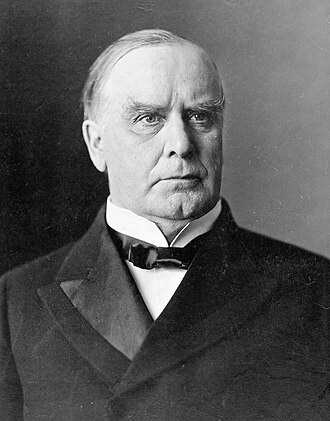
This executive order, signed by President William McKinley on 1901-04-29, establishes federal administrative policy concerning "Executive Order." It is a direct, concise executive instruction delivering focused administrative or military commands to department leadership.
Constitutional Assessment: Scrutinized through Article II, Section 2, this action exercises the President's constitutional role as Commander in Chief. Early Framers recognized broad executive discretion in commanding military forces during conflict, provided it remains bounded by congressional declarations and respects civilian domestic courts.
Key Directives & Operative Actions
▪Of the provisions of Sections 177 and 179 of the Revised Statutes, hereby authorized and directed to perform the duties of Secretary of the Navy until a successor is appointed or until such absence or sickness shall cease.
In case of the death, resignation, absence or sickness of the Secretary of the Navy, the Assistant Secretary of the Navy and the Chief of the Bureau of Navigation, Rear Admiral Charles O'Neil, U. S. Navy and Chief of the Bureau of Ordnance is, in pursuance. of the provisions of Sections 177 and 179 of the Revised Statutes, hereby authorized and directed to perform the duties of Secretary of the Navy until a successor is appointed or until such absence or sickness shall cease. WILLIAM MCKINLEY